
2026-09-20 ·
What Is Considered a Plumbing Emergency in Phoenix, AZ?
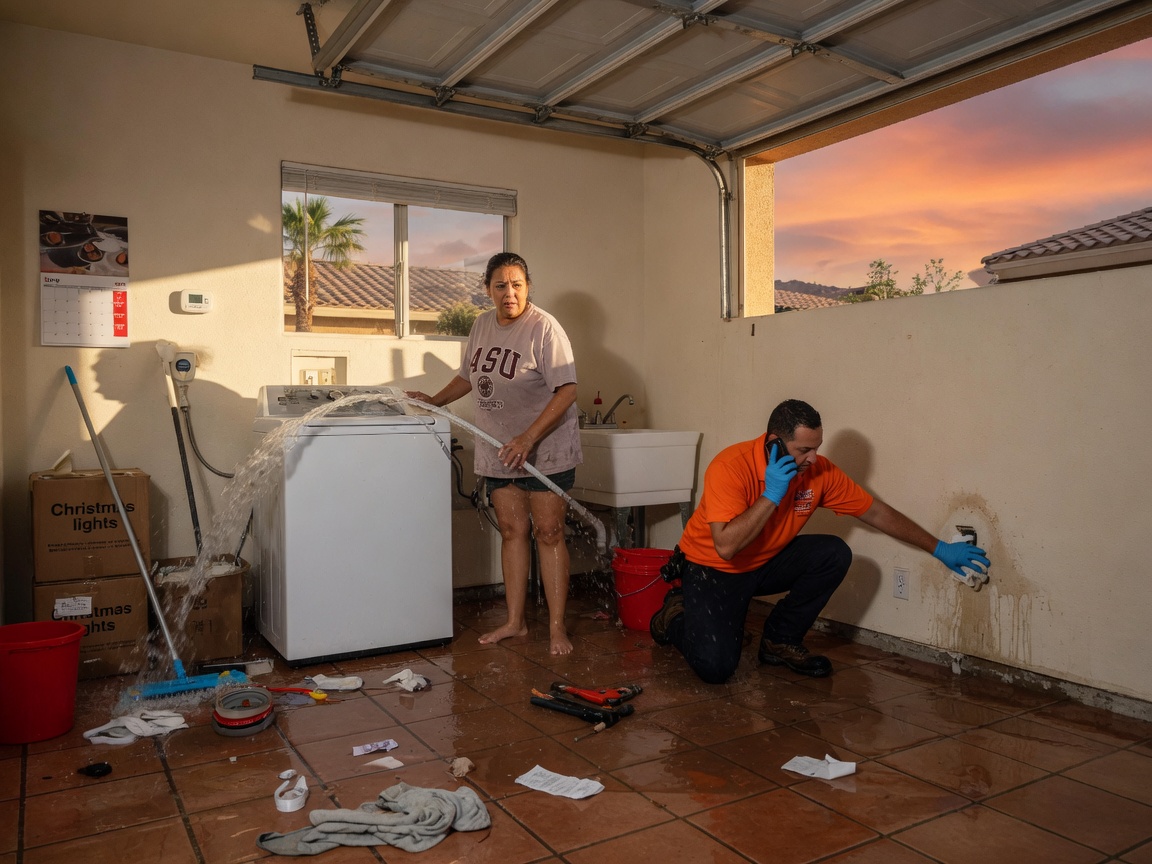
A plumbing emergency in Phoenix arises when water flow stops entirely, pipes burst and flood living spaces, sewage backs up into the home, or gas lines leak, all of which demand immediate 24/7 response to limit damage in the hot desert climate.
Burst Pipes and Severe Water Leaks
In Phoenix homes built before 1990 across areas such as Maryvale and Camelback East, copper and galvanized lines often fail when extreme summer heat causes repeated expansion and contraction. A burst pipe can release gallons per minute, soaking floors and drywall within minutes in single-story ranch houses common throughout Maricopa County. Slab leaks appear frequently in Biltmore and Arcadia neighborhoods where soil shifts from monsoon rains then dries hard. Homeowners notice sudden drops in water pressure or warm spots on concrete slabs. These situations require prompt isolation of the main shutoff followed by professional repair to avoid structural rot in older stucco construction. Emergency Water Leak Repair addresses hidden leaks before they reach the foundation.
Sewer Backups and Drain Failures
Sewer backups qualify as emergencies when wastewater rises through floor drains or toilets in homes near South Mountain and Ahwatukee, where tree roots from desert landscaping invade older clay pipes. Heavy monsoon flows can overwhelm municipal lines in lower-lying sections of 85044 and 85048 zip codes, pushing sewage into basements or garages. Signs include multiple slow drains at once and foul odors near Papago Park properties. Unlike a single clogged toilet, whole-house backups risk health hazards from bacteria and require immediate extraction plus line repair. Emergency Sewer Repair crews use cameras to locate root intrusion common in the alkaline soils of central Maricopa County.
Water Heater and Gas Line Issues
Tank failures in 40- to 50-gallon units become emergencies when they rupture and flood utility rooms, especially during winter temperature swings that stress older models in Scottsdale and Tempe border homes. Leaking gas lines near water heaters or stoves demand evacuation and 24/7 response because the dry Phoenix air carries fumes quickly through single-story layouts. Residents in 85018 and 85016 notice rotten-egg smells or hissing near appliances. These conditions differ from routine maintenance because they combine fire risk with potential water damage. Emergency Water Heater Repair restores safe operation before secondary issues develop in nearby drywall.
Climate and Terrain Effects on Response
Phoenix's extreme summer heat above 110 degrees accelerates pipe corrosion in exposed lines on rooftops or exterior walls throughout the valley. Monsoon storms drop several inches in hours, overwhelming drainage around Camelback Mountain slopes and causing soil movement that stresses underground lines in 85021 and 85023. Winter freezes, though brief, still split exterior hoses and irrigation manifolds in Ahwatukee foothills. These patterns mean technicians often work at night when temperatures drop enough for safe repairs. Homeowners benefit from knowing shutoff locations before problems strike. How to Shut Off Your Water During a Plumbing Emergency provides clear steps tailored to local meter boxes.
Deciding When Immediate Service Is Required
Situations cross into emergency territory when they threaten safety, cause ongoing water loss, or risk major property damage within hours. A single dripping faucet rarely qualifies, yet simultaneous failures across multiple fixtures in older Maryvale stock often signals main-line trouble. Residents in Mesa and Tempe service corridors should track whether issues affect the entire home or just one zone. When in doubt, contact 24/7 teams serving Phoenix and surrounding areas rather than waiting for business hours. How Do You Know When a Plumbing Problem Requires Emergency Service? outlines decision criteria based on real conditions encountered across Maricopa County neighborhoods.