
2026-09-20 ·
How Can Phoenix Homeowners Prevent Plumbing Emergencies?
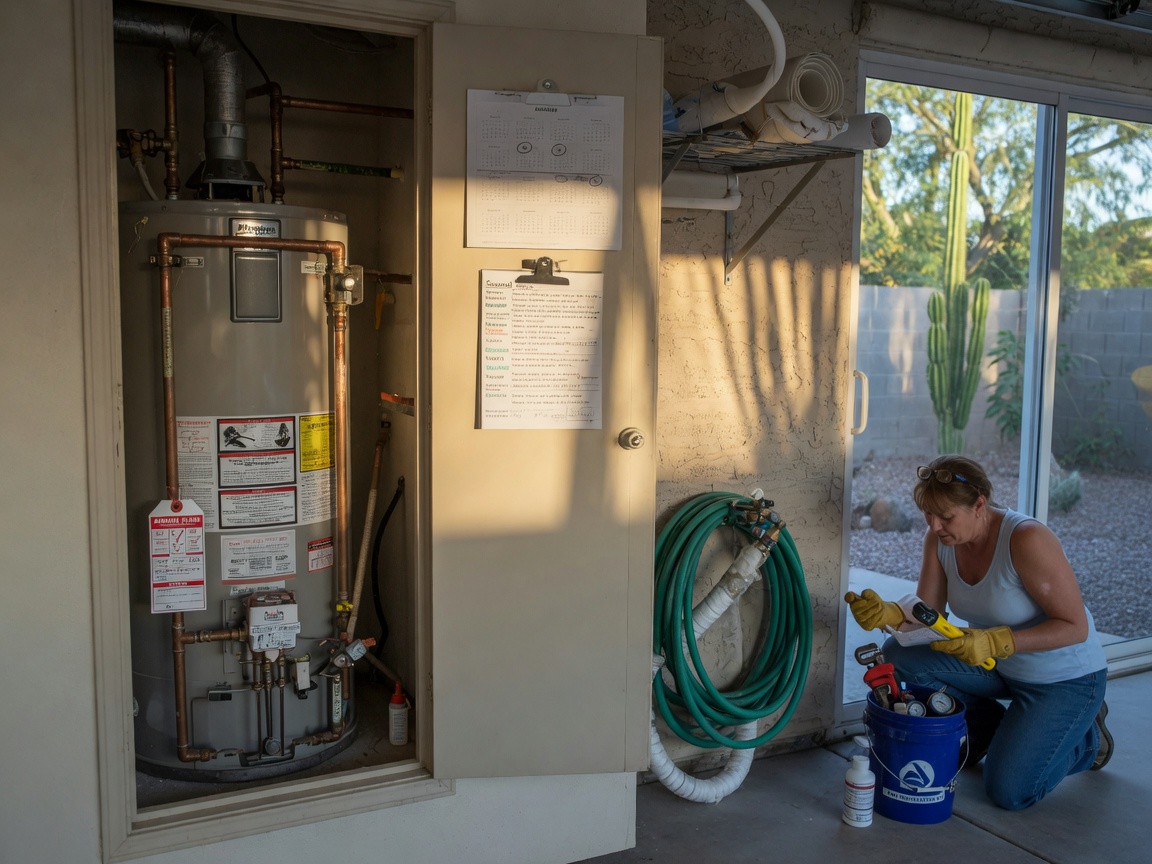
Phoenix homeowners can prevent most plumbing emergencies by conducting annual system checks, flushing water heaters every 8-12 months, and treating hard water that accelerates wear on pipes throughout Maricopa County. These steps address the realities of extreme summer heat that stresses joints and older galvanized lines common in homes built before 1980 in areas such as Biltmore and Camelback East. Consistent attention also limits issues from shifting soils near South Mountain and in Ahwatukee where clay-heavy ground contributes to minor settling that strains connections over time.
Schedule Routine Inspections Tailored to Phoenix Housing Stock
Homes in established Phoenix neighborhoods like Arcadia and Maryvale often feature plumbing installed decades ago that now faces daily pressure from 110-plus degree summer days. An annual inspection catches corrosion on copper lines and loose fittings before they fail during monsoon season. Focus checks on exposed pipes in garages and under sinks where heat accelerates joint degradation. Homeowners should also examine supply lines to washing machines and ice makers, which typically last 5-7 years before rubber degrades in the dry climate. Documenting findings each year helps track patterns specific to your property's age and location within the city.
Maintain Water Heaters Against Desert Heat Stress
Standard 40- to 50-gallon water heaters in Phoenix homes work harder during prolonged heat waves, leading to sediment buildup that shortens lifespan to roughly 8-12 years. Flushing the tank twice yearly removes mineral deposits common in Maricopa County water and prevents overheating that can cause leaks or bursts. Check the temperature pressure relief valve monthly and replace it every 3-5 years. For units nearing the end of service life, consider upgrading to a high-efficiency model rated for high ambient temperatures. Emergency water heater repair becomes necessary less often when these maintenance steps are followed consistently.
Treat Hard Water and Protect Drains in Local Conditions
Phoenix tap water carries high mineral content that leaves scale inside pipes and fixtures, narrowing flow over time especially in homes across Tempe and Mesa borders. Installing a whole-house water softener reduces buildup on faucets and inside water lines serving kitchens and bathrooms. In addition, avoid pouring grease or coffee grounds down drains, as compacted material combines with scale to create stubborn clogs during heavy summer use. Monthly enzyme treatments help keep main lines clear in older neighborhoods like South Mountain where tree roots seek moisture near sewer laterals. These habits lower the chance of backups that require emergency drain cleaning.
Learn Shut-Off Locations and Early Warning Signs
Every Phoenix homeowner should know the location of the main water shut-off valve and individual fixture stops before an issue arises. Mark valves clearly and test them twice a year to ensure they turn without excessive force. Watch for signs such as reduced water pressure, damp spots on slabs, or unexplained spikes in utility bills that often precede leaks in slab-on-grade homes common throughout the valley. When problems appear, review steps in advance rather than during a crisis. How to shut off your water during a plumbing emergency provides clear guidance for quick action that limits damage in neighborhoods from Ahwatukee to Camelback East.